

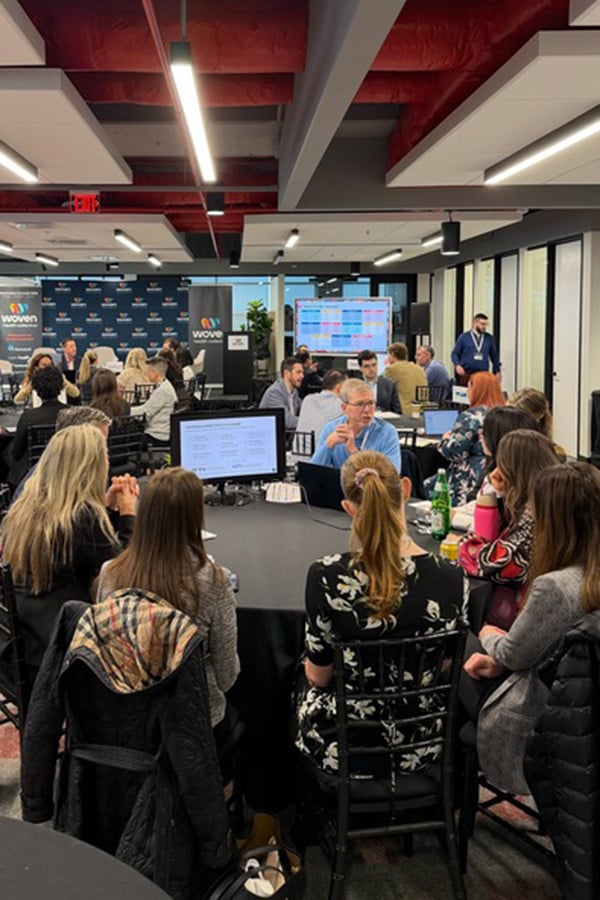
Think bigger | Move together | Go further
2026 Woven Innovation Summit
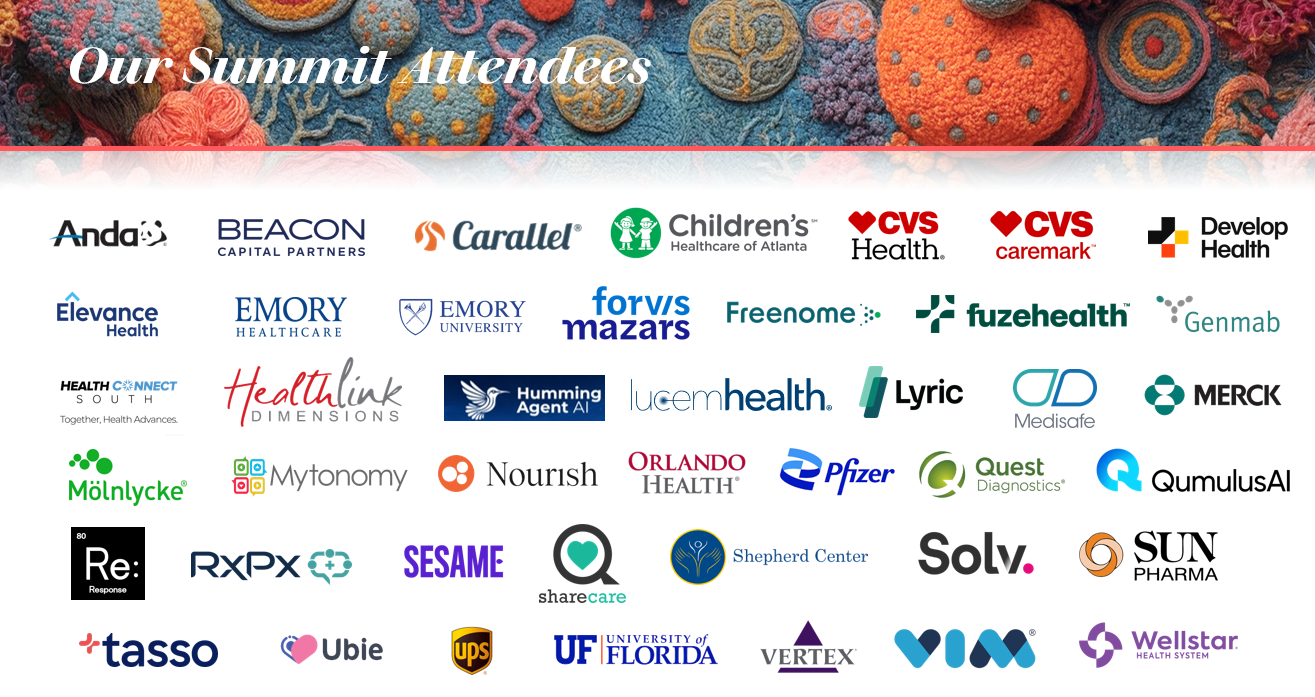
Woven Health Collective hosted its 6th annual Innovation Summit, an invite-only gathering of leaders across life sciences, health systems, and digital health organizations in February 2026 at Woven’s Innovation Lab in Atlanta, Georgia. The theme of Activating Innovation: Collaborating Across Healthcare’s New Frontier of Technology and Transformation resonated throughout the 100+ senior leaders across 40+ organizations, who were encouraged to think bigger, move together, and go further in a disruptive time in health care.
JUMP TO: Session Highlights | Attendee Voices | Innovation Tours | Cancer Screening | Innovation Awards
Thank you to our 2026 sponsors!
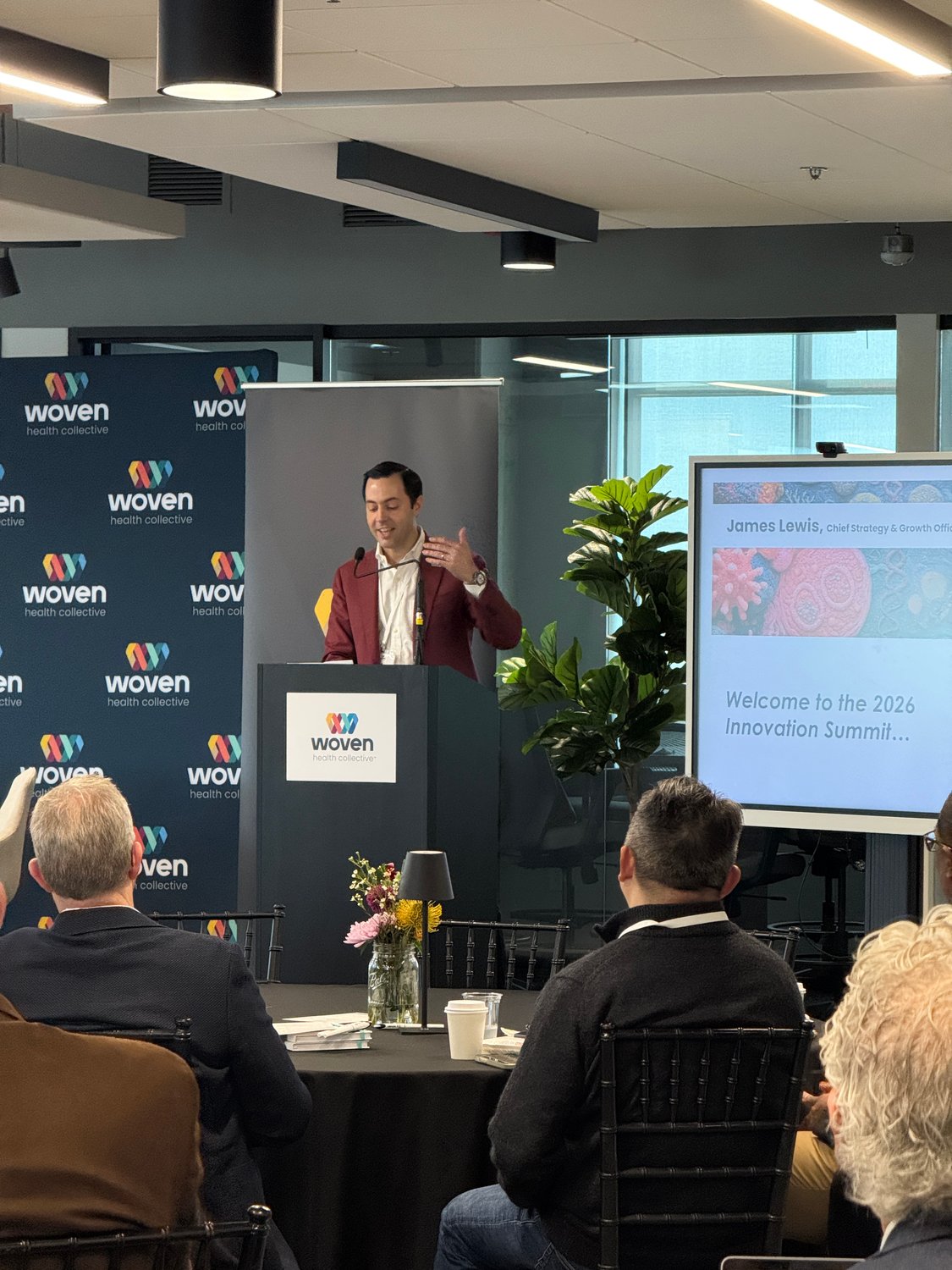
Opening Remarks
"In health care, the breakthroughs that change lives are the ones that actually get adopted. They're the ones that people understand, and they're the ones that they remember and believe in."
-James Lewis, Woven Health Collective
Highlights from the Discussion
Despite living longer and extraordinary scientific advances, leading causes of death remain largely unchanged (eg, heart disease, cancer, unintentional injuries) and even breakthrough therapies can fall short if clinicians don't understand them, patients don't trust them, or systems can't support delivering them
Four clear shifts reshaping healthcare innovation include:
-
AI is reshaping how innovation happens.
-
Precision medicine is becoming the norm.
-
Data can extend the life of innovation.
-
Design and access matter as much as science.
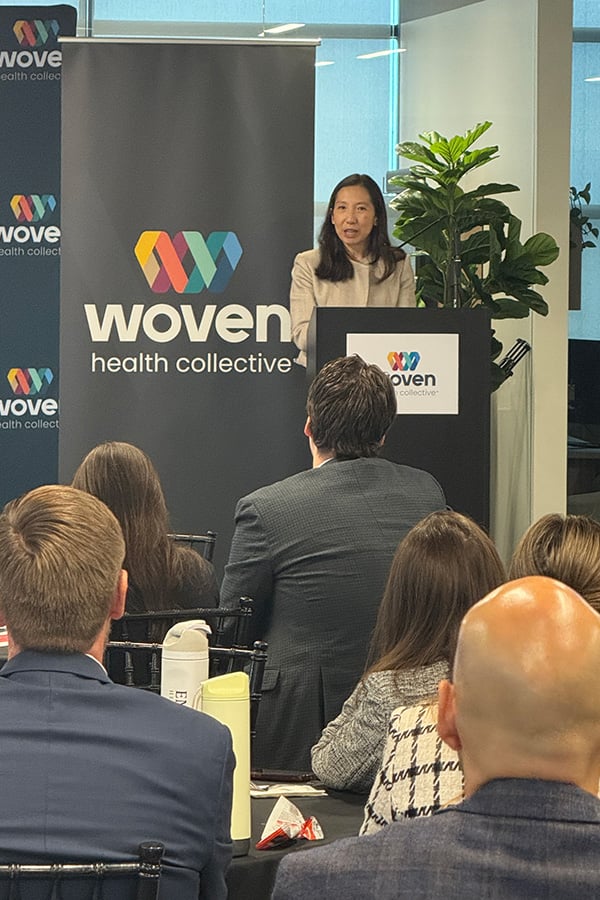
Keynote
"Data provide context, but it's stories that provide context and compel action."
-Leana Wen, Practicing physician, health care executive, and public health expert
Highlights from the Discussion
-
Real innovation in health care starts with understanding unmet patient needs, then committing to the difficult work of translating science into broader changes, rather than chasing technology and looking for patients to fit it.
-
Tackling complex crises like opioids and infant mortality requires early, concrete wins, constant reevaluation of assumptions, and a relentless focus on the most vulnerable populations as the path to improving outcomes for everyone.
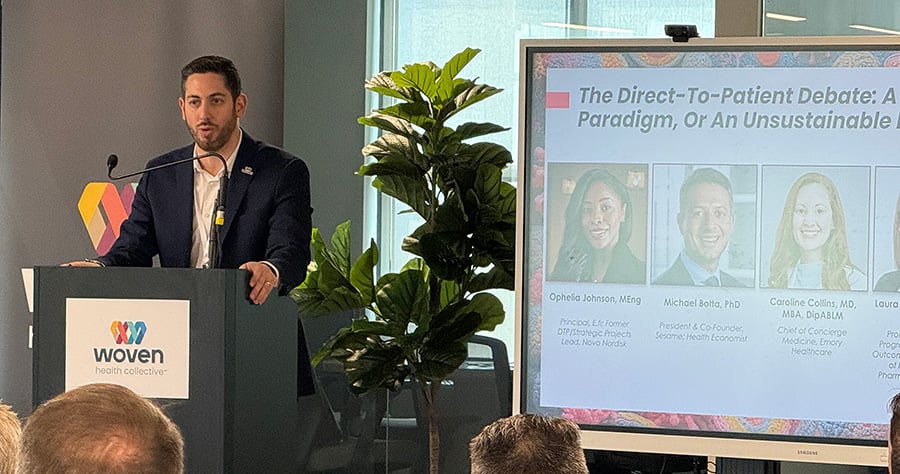
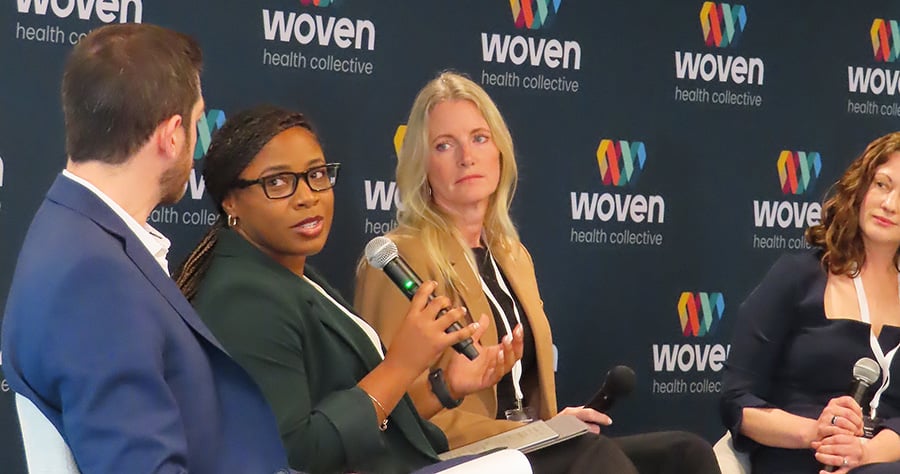
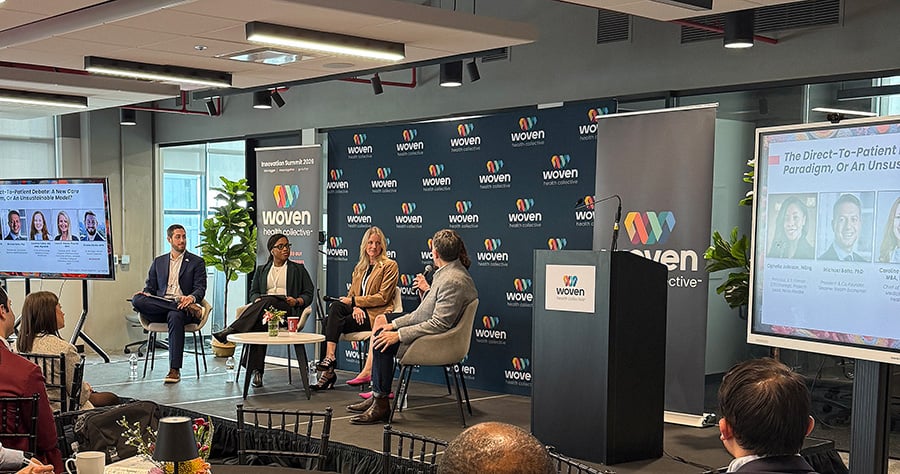
The DTP Debate: A New Care Paradigm, or an Unsustainable Model
"The new digital health landscape creates optionality for patients, but also confusion, raising questions not just about whether we can go direct, but when should we, for whom, and under what guardrails."
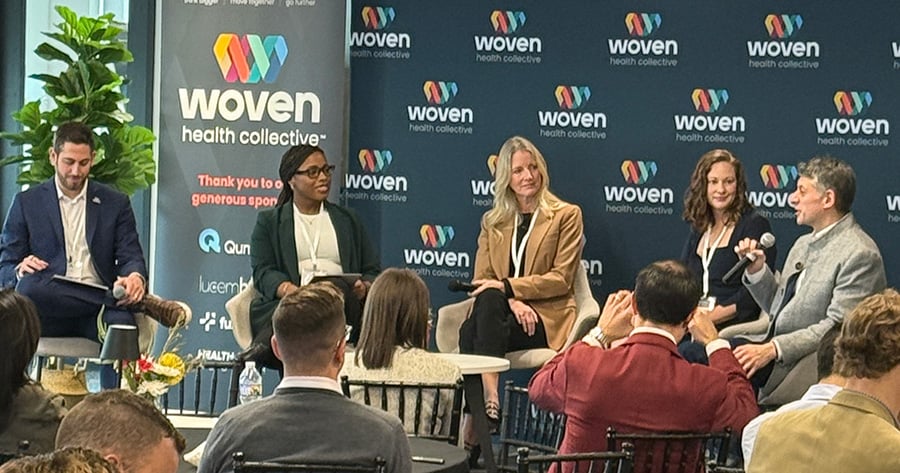
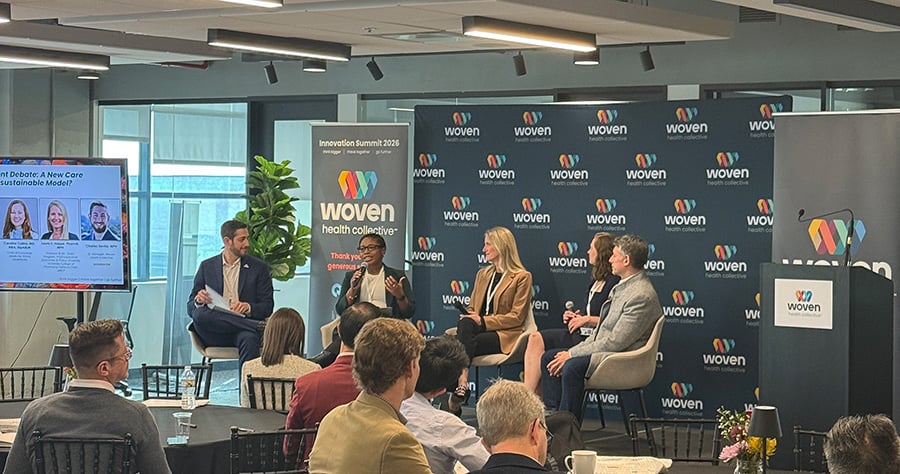
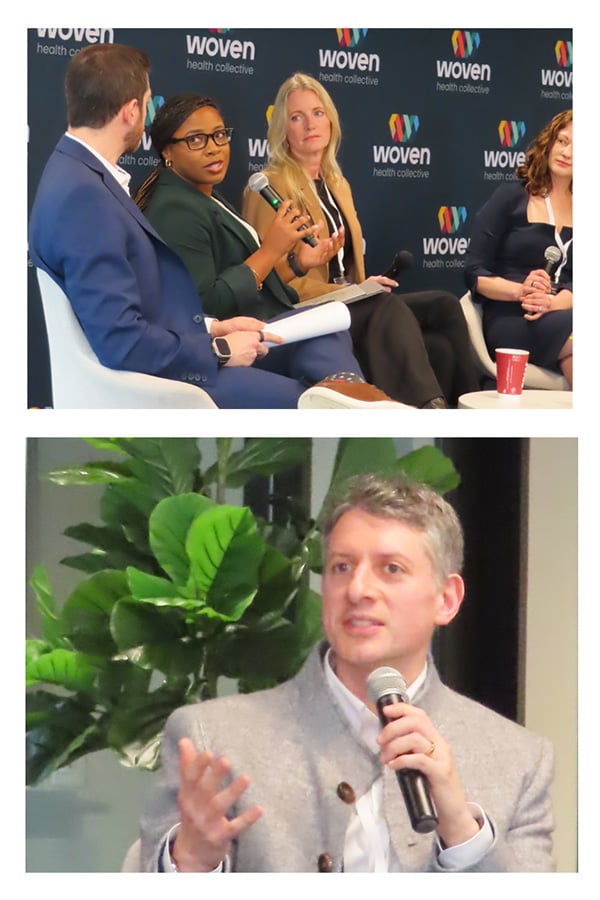
Panelists: Ophelia Johnson, E.fi; Michael Botta, Sesame; Caroline Collins, Emory Healthcare; Laura E. Happe, University of Florida College of Pharmacy; Charlie Devita, Woven Health Collective
Highlights from the Discussion
-
Direct-to-patient (DTP) models are rapidly becoming a mainstream front door for care, expanding access and creating new pricing dynamics, but also adding complexity as patients navigate a maze of benefits, cash‑pay options, and manufacturer channels.
-
DTP can either alleviate or worsen fragmentation and safety risks, depending on how well models are integrated with primary care, guardrails, and incentives that keep patient safety, not product sales, at the center.
Threading the Future
Highlights from the Discussion
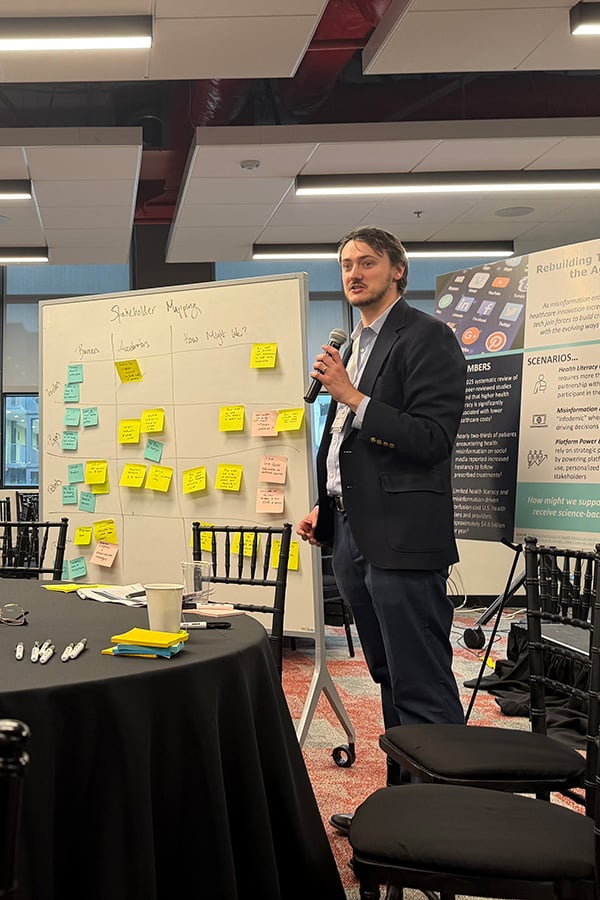
This session was as a facilitated discussion that convened industry leaders across the health care ecosystem to discuss and unpack emerging trends shaping the future of care in areas such as:
-
Rebuilding trust and health literacy: Explored how to support patients and providers to make scientifically-backed medical decisions across dimensions like health literacy being the key to patient-centered care, misinformation and patient hesitancy, and platform power and ecosystem integration.
-
Closing the gap with AI and digital: Discussed how AI and digital health can transform access through key shifts like digital health as a growth engine, policy, pricing, and workforce transformation.
-
Disrupting the delivery model: Examined how DTC platforms are reshaping power, trust, and access in U.S. health care through key considerations like trust/adherence, payer–pharma power shift, and telehealth scale/access expansion.
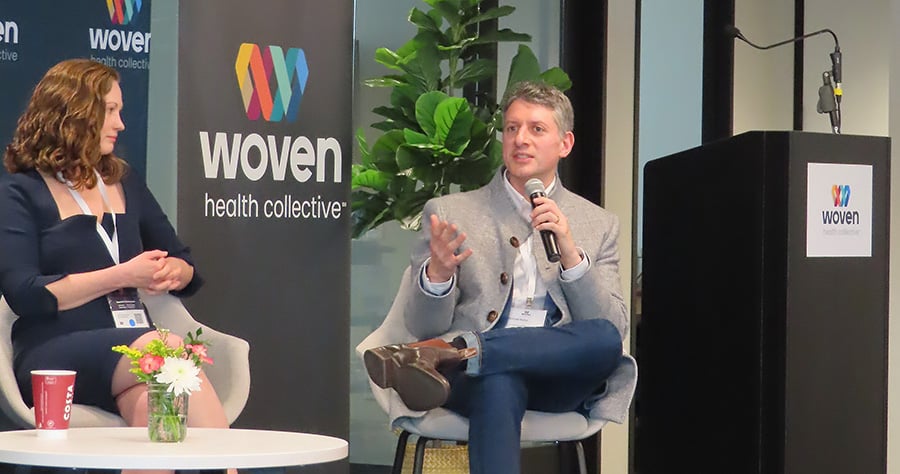
The Future of Diagnostic Pathways: Advancing Tools for Faster Answers
"Technology is no longer the primary bottleneck in diagnostics; the harder problems are adoption, payment, and integration into real‑world workflows and lives."
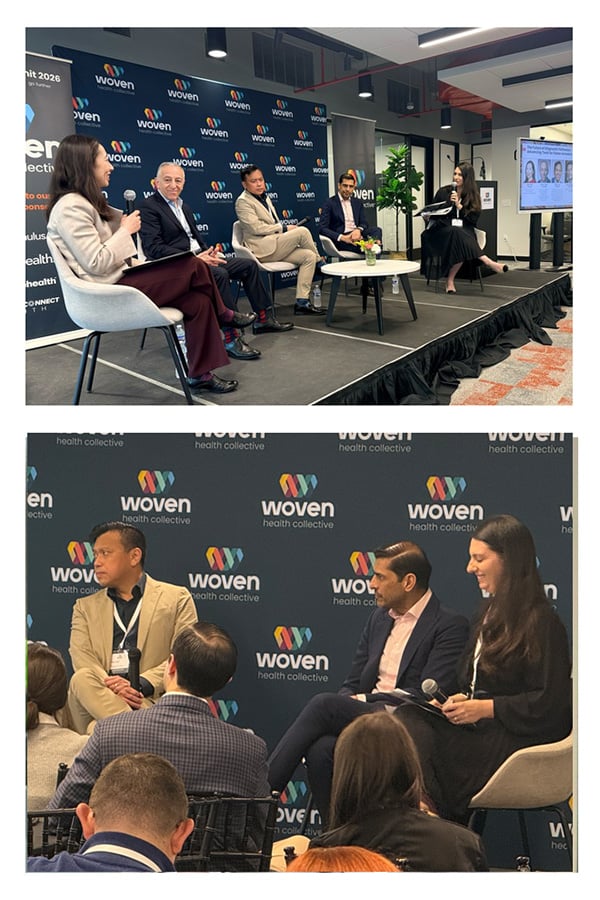
Panelists: Leana Wen, Practicing physician, health care executive, and public health expert; Mouris Saghir, Quest Diagnostics; Wilbur Lam, Children’s Healthcare of Atlanta; Rajesh Aggarwal, Sharecare; Bethany Archambault, Woven Health Collective
Highlights from the Discussion
-
We are in an era where diagnostic technology is advancing fast (eg, AI, at‑home testing, point‑of‑care tools), but the real bottlenecks are adoption, payment, and workflow integration, which leave misdiagnosis and under‑diagnosis stubbornly high.
-
Democratizing access to tests and AI without coordination and equity can deepen disparities and confusion, so the most promising models tightly connect point‑of‑care and diagnostics back into care teams, prevention, and long‑term partnerships.
Digital Health Connections
Highlights from the Discussion
Woven presented a curated forum where handpicked digital health companies connected with industry leaders in small, conversation-driven sessions. Summit participants were able to spend time learning about digital health organizations’ impact to date and strategize collaborations. Our disruptive organizations included:
Increasing Access

Shortening the Dx Pathway

Improving Adherence

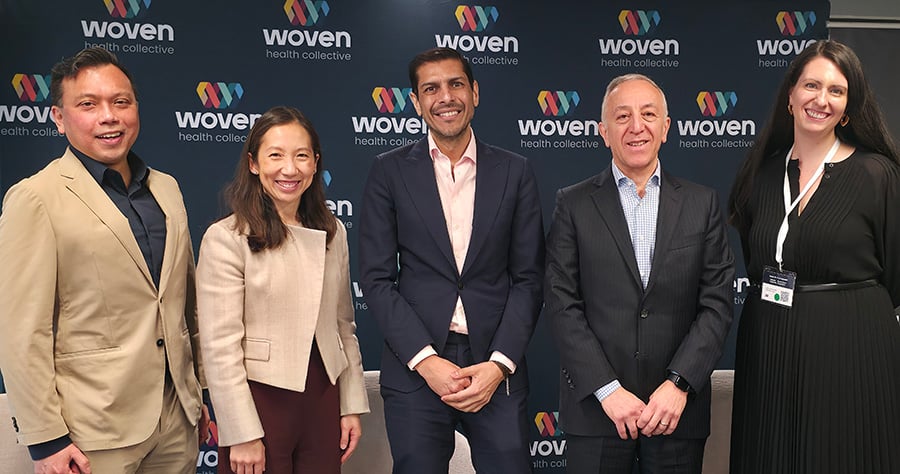
Arthur M. Blank Hospital Tour
Discover how Children’s Healthcare of Atlanta is redefining pediatric care with state-of-the-art facilities designed around kids and families.
Cutting Edge Pediatric Hospital Care at Arthur M. Blank
Children’s Healthcare of Atlanta’s new 19-story, nearly 2-million-square-foot facility. On this tour, attendees saw how the hospital is designed to expand access to advanced pediatric specialty care - including the Aflac Cancer and Blood Disorders Center, which consolidated hematology and oncology services under one roof after the hospital opened in September 2024. The Center supports care for more than 9,800 kids each year, including 500+ newly diagnosed with cancer. Attendees saw how the hospital pairs a full-service clinical environment (including surgical suites, labs, radiation, rehab, and ICU) with family-centered spaces that help kids keep being kids - like the Interactive Wall, Seacrest Studios, and The Zone for therapeutic play.
Winship Cancer Institute Tour
Experience how innovation on wheels helps Winship catch cancer sooner with no-cost screenings & research-driven care.
Shortening Cancer Diagnosis at Winship Cancer Institute
Georgia’s NCI–designated Comprehensive Cancer Center, Winship brings together leading experts in prevention, early detection, and advanced cancer care across disciplines. Attendees explored Winship’s commitment to catching cancer sooner, including an inside look at the new mobile prostate cancer screening bus that brings no-cost PSA testing and education directly to communities across Georgia, helping increase access for men at highest risk. The tour highlighted how Winship integrates cutting-edge research, community outreach, multidisciplinary clinical programs to reduce disparities, diagnose cancer earlier, and connects patients to innovative treatments and clinical trials.
Shepherd Center Tour
Step inside one of the nation’s top rehabilitation hospitals, where groundbreaking research meets compassionate, life-restoring patient care.
Innovation in Rehabilitation with The Shepherd Center
With five decades of experience, Shepherd Center provides world-class clinical care, research, and family support for people experiencing the most complex conditions, including spinal cord and brain injuries, multi-trauma, traumatic amputations, stroke, multiple sclerosis, and pain. Attendees learned about Shepherd Center's inpatient and outpatient programs, specialty clinics, rigorous research, and new Innovation Institute. An elite center ranked by U.S. News as one of the nation’s top hospitals for rehabilitation, Shepherd Center is also recognized as both Spinal Cord Injury and Traumatic Brain Injury Model Systems.
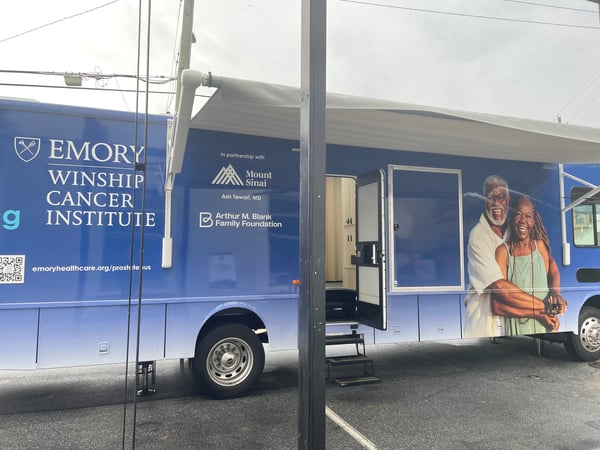
Emory's Mobile Prostate Cancer Screening Bus
The Emory Winship Mobile Prostate Cancer Screening Unit is a complimentary, community-based program that brings prostate-specific antigen (PSA) blood testing directly to men across Georgia, with a focus on high-risk and underserved populations. Screenings were delivered on a traveling bus by experienced clinical staff, with results available quickly and seamless linkage to Winship’s prostate cancer specialists and Emory Healthcare primary care for any needed follow-up.
Trailblazing Healthcare Transformation Award
WINNER

for transforming patient blood testing with at-home services
Rising Digital Health Star Award
WINNER

for modernizing prior authorization workflows across health systems
Innovative Partnership Award
WINNERS
and

for removing access barriers and reducing therapy delays in non-opioid acute pain care with technology partners
Kevin O’Connor Insights Award
WINNER
Vinita Singh
for exceptional leadership and insight in acute pain management